
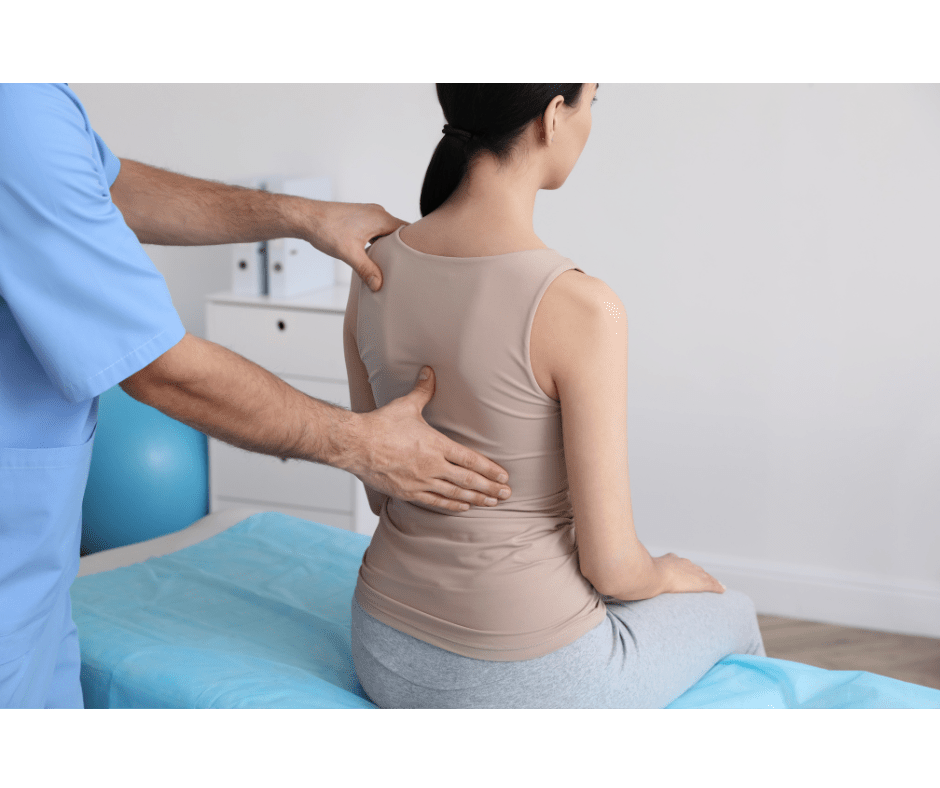
Scoliosis, a condition characterized by an abnormal curvature of the spine, affects millions of individuals worldwide. While traditionally studied for its structural and mechanical implications, emerging research suggests a potential link between scoliosis and inflammation. Understanding this connection could pave the way for improved treatments and preventive strategies for those affected by this complex condition.
What Is Scoliosis?
Scoliosis can occur at any stage of life but is most commonly diagnosed during adolescence. It manifests as a sideways curvature of the spine, often resembling an “S” or “C” shape. The condition ranges from mild to severe and can cause physical discomfort, limited mobility, and, in extreme cases, impact internal organ function.
The Role of Inflammation in the Body
Inflammation is the body’s natural response to injury or infection, designed to heal and protect tissues. However, chronic inflammation—where the inflammatory response persists over time—can contribute to various health conditions, including arthritis, autoimmune diseases, and cardiovascular issues.
Is There a Link Between Scoliosis and Inflammation?
Recent studies suggest that inflammation may play a role in the development and progression of scoliosis. Here’s how the two may be connected:
- Chronic Inflammation in Connective Tissues
- Scoliosis often involves abnormalities in the connective tissues supporting the spine. Chronic inflammation in these tissues may weaken their integrity, leading to or exacerbating spinal misalignment.
- Inflammatory Cytokines and Bone Health
- Cytokines, proteins that regulate inflammation, may disrupt the balance between bone formation and resorption. This imbalance could contribute to the progression of scoliosis by affecting the spinal bones’ density and structure.
- Systemic Inflammatory Conditions
- Certain systemic inflammatory diseases, such as juvenile idiopathic arthritis, have been associated with higher rates of scoliosis. This suggests that chronic inflammation could be a contributing factor in some cases.
- Neuroinflammation and Muscle Control
- Neuroinflammation, or inflammation of the nervous system, may impair the muscles responsible for stabilizing the spine. This dysfunction could lead to the progression of spinal curvature.
The Chicken-and-Egg Dilemma
One challenge in understanding the scoliosis-inflammation link is determining causation. Does inflammation contribute to scoliosis, or does the structural abnormality of scoliosis trigger an inflammatory response? Research in this area is ongoing, but the interplay appears to be bidirectional in some cases.
Managing Inflammation to Support Spinal Health
For individuals with scoliosis, addressing inflammation could offer additional benefits alongside traditional treatments like bracing or surgery. Here are a few strategies to consider:
- Anti-inflammatory Diet
- Incorporate foods rich in omega-3 fatty acids, antioxidants, and anti-inflammatory compounds, such as fatty fish, leafy greens, and berries.
- Physical Therapy and Exercise
- Regular, low-impact exercises can improve circulation, reduce stiffness, and potentially lower inflammation levels.
- Medication or Supplements
- Consult a healthcare provider about anti-inflammatory medications or natural supplements, such as turmeric or omega-3 oils, that may support overall health.
- Stress Management
- Chronic stress can elevate inflammation markers. Mindfulness practices like meditation or yoga can help reduce stress and its inflammatory effects.
- Monitor for Underlying Conditions
- If scoliosis is linked to a systemic inflammatory condition, treating the root cause may help alleviate some symptoms.
Future Research Directions
While the connection between scoliosis and inflammation is not yet fully understood, it is a promising area for future study. Researchers are exploring genetic predispositions, inflammatory biomarkers, and novel therapies to better address this correlation.
Conclusion
The potential link between scoliosis and inflammation highlights the importance of a holistic approach to spinal health. By understanding and addressing inflammatory processes, patients and healthcare providers can work together to mitigate the condition’s impact. As research evolves, integrating anti-inflammatory strategies into scoliosis care may become a valuable part of treatment protocols.
If you or someone you know is affected by scoliosis, consider speaking with a healthcare professional about the role inflammation may play and what steps you can take to support overall spinal health.

 Alternative Scoliosis Treatments
Leave a reply to The Mindful Migraine Blog Cancel reply