
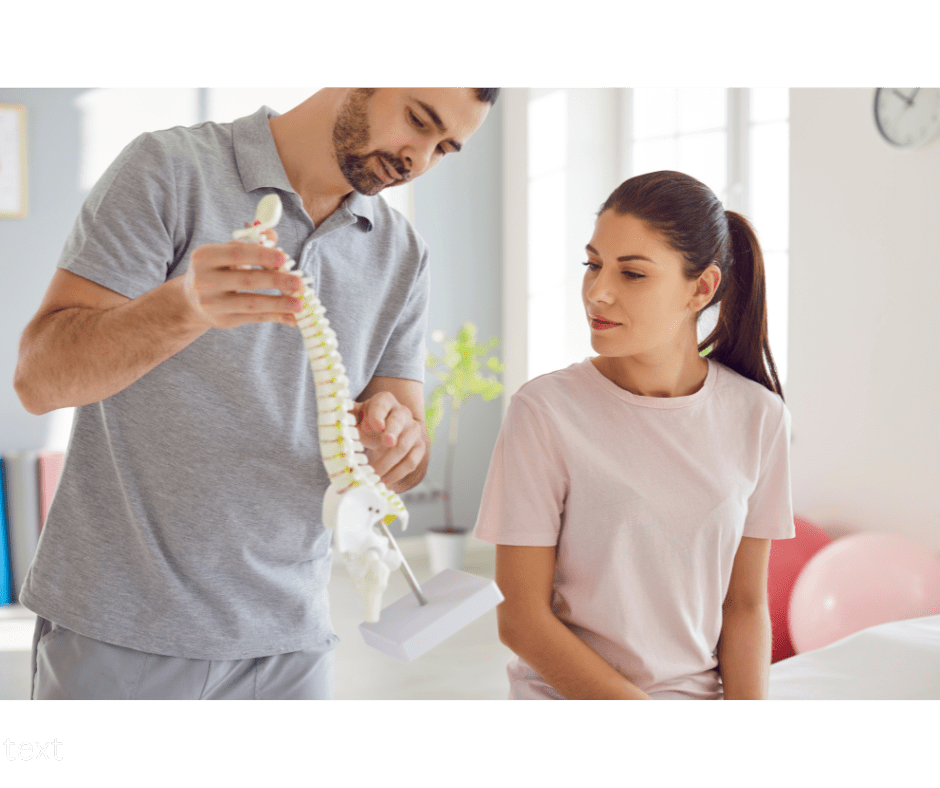
Scoliosis, characterized by an abnormal curvature of the spine, affects people of all ages and life stages. However, the condition presents differently depending on factors like age, gender, and life circumstances. In this blog, we’ll explore scoliosis in specific populations, including children and adolescents, pregnant women, older adults, and the differences between male and female scoliosis progression.
1. Scoliosis in Children and Adolescents
Why It’s Common
Scoliosis often develops during periods of rapid growth, making children and adolescents the most commonly affected group. The majority of cases are classified as adolescent idiopathic scoliosis (AIS), which has no known cause but may be linked to genetic predisposition.
Signs and Symptoms
- Uneven shoulders or hips
- A noticeable curve when bending forward (Adam’s Forward Bend Test)
- Clothes fitting unevenly
Treatment Options
- Observation: For mild curves (<25 degrees).
- Bracing: For moderate curves (25–40 degrees) in growing children to prevent progression.
- Surgery: For severe cases (>40–50 degrees) to correct and stabilize the spine.
Key Consideration: Early detection is critical. Regular screenings, especially during growth spurts, can lead to better outcomes.
2. Scoliosis During Pregnancy
Challenges for Pregnant Women with Scoliosis
Pregnancy can present unique challenges for women with scoliosis, though most can have healthy pregnancies and deliveries. Concerns typically center around back pain, the effect on spinal curvature, and delivery options.
Key Considerations:
- Back Pain: Women with scoliosis may experience increased back pain due to the added weight and spinal stress of pregnancy.
- Curve Progression: Significant progression is rare in women who have completed skeletal growth.
- Epidurals and Delivery: In most cases, epidurals are safe, but anesthesiologists may need to adjust the placement.
Tips for Managing Scoliosis During Pregnancy:
- Maintain a healthy weight to reduce spinal strain.
- Engage in prenatal exercises like yoga or swimming to strengthen back muscles.
- Work closely with a healthcare team, including an obstetrician and an orthopedic specialist.
3. Scoliosis in Older Adults (Degenerative Scoliosis)
Causes and Risk Factors
In older adults, scoliosis is often caused by age-related changes in the spine, such as disc degeneration, arthritis, or osteoporosis. Known as degenerative scoliosis, it typically develops after age 50.
Symptoms
- Chronic back pain
- Spinal stiffness
- Numbness or weakness in the legs due to nerve compression
Treatment Options
- Non-Surgical:
- Physical therapy to improve mobility and reduce pain
- Pain management through medications or injections
- Bracing for support
- Surgical: For severe pain or instability, procedures like spinal fusion may be recommended.
Key Consideration: Maintaining bone health through diet, exercise, and supplements (like calcium and vitamin D) is crucial for managing degenerative scoliosis.
4. Differences Between Male and Female Scoliosis Progression
Prevalence and Progression
- Females:
- Scoliosis is more common in females, particularly adolescent idiopathic scoliosis (AIS).
- Females are also more likely to experience curve progression requiring treatment.
- Males:
- While less common, scoliosis in males often presents with larger initial curves when diagnosed.
- Neuromuscular scoliosis is more prevalent in males due to associated conditions like muscular dystrophy.
Hormonal Influence:
Hormones, particularly during puberty, may play a role in the higher prevalence and progression of scoliosis in females.
Key Takeaway:
Understanding gender-specific trends can help tailor screening and treatment approaches for better outcomes.
Conclusion: Adapting Scoliosis Care to Individual Needs
Scoliosis affects people differently based on age, gender, and life stage. Whether it’s monitoring a child’s spine during growth spurts, managing back pain during pregnancy, or addressing degenerative scoliosis in older adults, individualized care is essential.
If you or a loved one is navigating scoliosis, consult a healthcare professional to explore options tailored to your specific needs. Early intervention and proactive management can make a significant difference.


Leave a Reply