
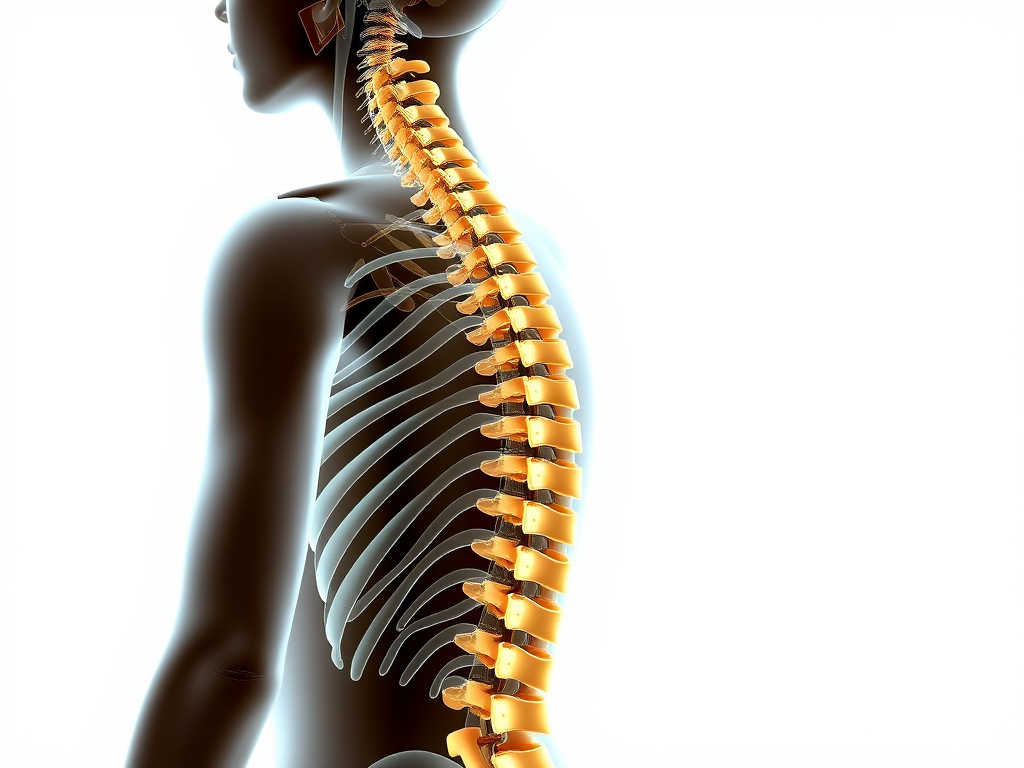
Scoliosis, a condition characterized by an abnormal curvature of the spine, affects millions of people worldwide. While many individuals live with mild cases of scoliosis without significant issues, others experience severe symptoms that impact their quality of life. This raises an important question: Is scoliosis a disability? In this blog post, we’ll explore whether scoliosis qualifies as a disability, how it can affect daily living, and the support options available for those who experience severe symptoms.
What Is Scoliosis?
Scoliosis refers to a sideways curve of the spine, typically shaped in an “S” or “C” form. While the exact cause is often unknown (idiopathic scoliosis), scoliosis can also result from congenital conditions, neuromuscular disorders, or other health issues. The degree of curvature varies from person to person, with mild curves requiring minimal treatment and severe curves potentially causing significant pain, posture issues, and even complications with organ function.
For some individuals, scoliosis becomes more than just a physical condition—it can deeply impact their ability to perform everyday tasks and lead a normal life.
Is Scoliosis Considered a Disability?
The answer to whether scoliosis is classified as a disability depends on several factors, including the severity of the condition and how it affects an individual’s daily life. Scoliosis itself is not automatically considered a disability, but in cases of severe scoliosis, it can lead to physical limitations that qualify as a disability under certain circumstances.
Scoliosis as a Disability: When Does It Apply?
For scoliosis to be considered a disability, it must meet specific criteria set by organizations such as the Americans with Disabilities Act (ADA) and the Social Security Administration (SSA). According to these guidelines, scoliosis may qualify as a disability if:
- Severe Pain
- Chronic, debilitating pain that affects an individual’s ability to work or perform daily activities can qualify as a disability. Severe scoliosis can cause nerve compression, muscle strain, and spinal deformities, all of which can result in significant pain.
- Limited Mobility
- In extreme cases, scoliosis can cause deformities that affect the ability to move, walk, or even stand for extended periods of time. Individuals with severe scoliosis may experience difficulty bending, lifting, or participating in physical activities.
- Breathing and Cardiovascular Issues
- In very severe cases, scoliosis can lead to lung and heart issues. A pronounced curve of the spine may compress the rib cage, making it difficult to breathe properly. This can affect a person’s stamina, energy levels, and overall health, potentially leading to disability status.
- Impairment of Daily Functioning
- If scoliosis significantly limits an individual’s ability to perform daily tasks, such as personal care, household chores, or work-related activities, it may be classified as a disability. This is especially true if other treatments (e.g., braces or physical therapy) have not provided sufficient relief.
How Scoliosis Affects Quality of Life
For those with severe scoliosis, the condition can have a substantial impact on various aspects of life. These effects can range from physical limitations to emotional and psychological challenges:
- Physical Limitations
- Severe spinal curvature can cause chronic pain, stiffness, and discomfort, which may hinder basic mobility. This could mean difficulty standing for long periods, bending, or lifting heavy objects. For individuals in physically demanding jobs, this may limit their ability to work or perform job duties effectively.
- Posture and Appearance
- One of the more noticeable effects of scoliosis is its impact on posture. People with scoliosis often have uneven shoulders, hips, or ribs. While this may not always cause pain, it can lead to self-esteem issues or emotional distress due to the way one’s body appears.
- Mental Health Challenges
- The constant physical discomfort of scoliosis, along with the emotional toll of living with a visible deformity, can contribute to feelings of depression, anxiety, or low self-esteem. Chronic pain, in particular, can lead to frustration and a sense of helplessness.
- Impact on Employment
- Individuals with severe scoliosis may find it difficult to maintain a job that requires physical labor or long hours of sitting or standing. In some cases, accommodations may be necessary for them to continue working. In extreme cases, individuals may be unable to work at all due to the severity of their symptoms.
Can Scoliosis Be Classified as a Disability by the SSA?
In the United States, the Social Security Administration (SSA) evaluates whether scoliosis qualifies for Social Security Disability Insurance (SSDI) benefits. While the SSA does not have a specific listing for scoliosis, the condition may be considered under the broader category of musculoskeletal disorders. To qualify for SSDI, individuals must demonstrate that their scoliosis results in functional limitations that prevent them from working or performing daily activities.
The SSA looks at factors like:
- The degree of curvature
- The impact on spinal function
- Whether the condition causes other complications like nerve compression or organ dysfunction
Individuals with severe scoliosis should consult with a healthcare provider and an attorney or disability expert to understand the process of applying for SSDI benefits.
Treatment and Support Options for Scoliosis
While severe scoliosis can lead to disability in some cases, there are treatment options available to help manage the condition and improve quality of life:
- Physical Therapy
- Targeted exercises and stretches can help improve posture, strengthen muscles, and reduce pain associated with scoliosis.
- Bracing
- For individuals with moderate scoliosis, wearing a brace may help prevent the curve from worsening.
- Surgery
- In extreme cases, surgical interventions like spinal fusion may be necessary to correct or stabilize the curvature and reduce the risk of further complications.
- Pain Management
- Medications, injections, and alternative therapies like acupuncture or massage may help manage chronic pain.
- Psychological Support
- Counseling and support groups can help individuals cope with the emotional challenges of scoliosis, improving mental well-being.
Conclusion
Scoliosis itself is not automatically classified as a disability, but in severe cases, it can cause physical limitations and discomfort that qualify as a disability under certain circumstances. If you or a loved one has scoliosis and is struggling with pain or functional limitations, it’s important to seek medical advice to explore treatment options and potential disability benefits. Early intervention and proper care can help manage the condition and improve quality of life.
 Alternative Scoliosis Treatments
Leave a comment