
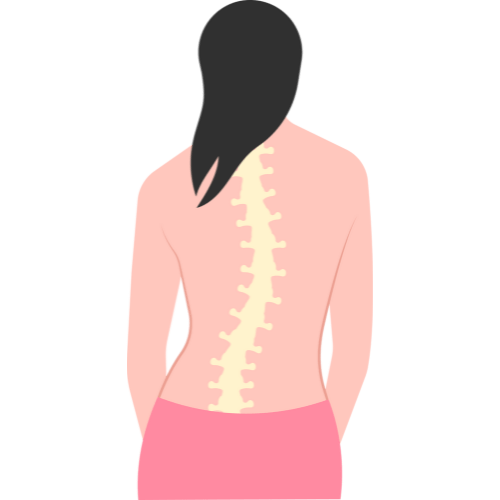
Scoliosis, a condition that causes an abnormal curvature of the spine, is often associated with children and adolescents. However, many wonder: Can you develop scoliosis as an adult? While scoliosis is typically diagnosed in childhood or adolescence, it is possible for adults to develop scoliosis or experience worsening of an existing curve. In this post, we’ll explore the facts, the causes of adult scoliosis, and the available treatments, backed by research.
Understanding Scoliosis
Scoliosis refers to a sideways curvature of the spine that typically forms a “C” or “S” shape. The condition is often classified into two main types:
- Idiopathic scoliosis: The most common form, with no known cause. It typically develops during adolescence.
- Degenerative scoliosis: A type of scoliosis that can develop in adults due to the aging process, involving the degeneration of the spinal discs and joints.
While idiopathic scoliosis is commonly diagnosed in childhood or adolescence, adult scoliosis is typically related to the aging process, with a significant number of cases being diagnosed after the age of 40.
Can Adults Develop Scoliosis?
Yes, adults can develop scoliosis, though it is more commonly seen in those who already had a mild curve in childhood that worsens over time. Adult scoliosis typically falls into one of two categories:
- Adult Idiopathic Scoliosis: If a person had undiagnosed idiopathic scoliosis as a child, the curve might not be noticeable until later in life. As adults age, the curvature may worsen, especially with poor posture or spinal degeneration.
- Degenerative Scoliosis: Also called de novo scoliosis, this type occurs due to age-related changes in the spine, such as disc degeneration, arthritis, or bone loss. Over time, these changes can lead to the development of a curve in the spine.
According to a study published in Spine (2014), degenerative scoliosis is estimated to affect up to 68% of adults over the age of 60. The condition is often associated with lower back pain, leg weakness, and postural changes.
Symptoms of Adult Scoliosis
The symptoms of adult scoliosis can vary depending on the severity of the curvature and whether it’s affecting other structures of the body. Common symptoms include:
- Back pain: A common complaint, especially in the lower back.
- Postural changes: Adults with scoliosis may develop uneven shoulders, hips, or a noticeable bend in the spine.
- Nerve-related symptoms: Numbness, tingling, or weakness in the legs can occur if the curvature is pressing on nerves.
If you experience any of these symptoms, it’s important to consult with a healthcare provider for proper diagnosis and treatment.
Risk Factors for Developing Scoliosis as an Adult
Certain factors can increase the likelihood of developing scoliosis as an adult:
- Age: As mentioned earlier, degenerative changes in the spine, such as disc degeneration and arthritis, can contribute to scoliosis in adults, particularly those over 40.
- Family history: A family history of scoliosis increases the risk, even in adulthood.
- Injury: Past trauma or injuries to the spine can contribute to the development or progression of scoliosis.
Research on Adult Scoliosis
Recent studies highlight the growing prevalence of adult scoliosis and its impact on quality of life. A 2021 review published in Clinical Spine Surgery revealed that adult scoliosis often leads to chronic pain, mobility issues, and a decreased quality of life. The study also pointed out that early diagnosis and intervention can improve outcomes for patients.
If you’re interested in diving deeper into the research, here are a few key studies:
- Spine (2014) on the prevalence of degenerative scoliosis in older adults: Link
- Clinical Spine Surgery (2021) review of adult scoliosis treatment: Link
Conclusion
While scoliosis is most commonly diagnosed in childhood or adolescence, adults can develop the condition, particularly through degenerative changes in the spine as they age. It’s important for adults to be aware of the symptoms of scoliosis and seek medical advice if they notice any changes in their posture or experience persistent pain. Early intervention and treatment can help manage the condition and improve quality of life.
If you’re living with scoliosis, remember you’re not alone. Reach out to healthcare professionals to explore the best options for managing your spine health.
 Alternative Scoliosis Treatments
Leave a comment