
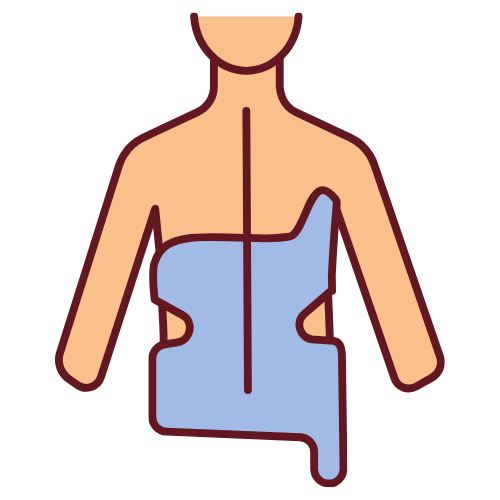
Scoliosis, a condition that causes an abnormal curvature of the spine, affects millions of people worldwide. While the idea of a “cure” for scoliosis might be appealing, the reality is more complex. In this post, we’ll delve into whether scoliosis can be cured, the different types of scoliosis, available treatments, and the latest research to help you understand how scoliosis can be managed effectively.
What is Scoliosis?
Scoliosis is a condition where the spine curves sideways, often forming an “S” or “C” shape. The curvature can range from mild to severe and can affect individuals of all ages, though it is most commonly diagnosed during adolescence. While the exact cause of scoliosis is often unknown, it can develop due to genetic factors, developmental issues, or other underlying medical conditions.
Scoliosis is classified into several types:
- Idiopathic Scoliosis: The most common form, with no known cause.
- Congenital Scoliosis: A form that occurs when there is a malformation of the spine during fetal development.
- Neuromuscular Scoliosis: Caused by disorders that affect the muscles or nerves, such as cerebral palsy or muscular dystrophy.
- Degenerative Scoliosis: Occurs in adults due to aging and degeneration of the spine.
Can Scoliosis Be Cured?
Unfortunately, scoliosis cannot be completely cured in the traditional sense. However, with early detection and proper treatment, many people with scoliosis can manage the condition effectively and lead normal lives.
The goal of scoliosis treatment is to stop the curvature from worsening, alleviate pain, and improve the individual’s quality of life. The degree of the curve, the age of the patient, and the underlying cause of scoliosis all play a role in determining the most appropriate course of treatment.
Treatment Options for Scoliosis
Although scoliosis cannot be “cured” in the conventional sense, several treatment options are available depending on the severity of the condition:
- Non-Surgical Treatments:
- Bracing: For children and adolescents with moderate scoliosis (typically curves between 25 and 40 degrees), wearing a back brace can help prevent the curve from worsening. Bracing is most effective when the patient is still growing.
- Physical Therapy: Specific exercises and stretches may help improve posture, strengthen muscles around the spine, and relieve discomfort. Physical therapy can be especially helpful for adults with degenerative scoliosis or mild curves.
- Chiropractic Care: Some people with scoliosis turn to chiropractic adjustments to help with pain relief and improve spinal alignment, though this is generally not a curative treatment.
- Surgical Treatments:
- Spinal Fusion: For severe cases of scoliosis (curves greater than 45-50 degrees), spinal fusion surgery may be recommended. This procedure involves fusing the vertebrae together to prevent further movement and straighten the spine.
- Growing Rods: For children with scoliosis who are still growing, growing rods can be surgically implanted to lengthen the spine as the child grows, helping to maintain an upright posture and prevent worsening of the curve.
How Effective Are These Treatments?
While scoliosis cannot be fully “cured,” these treatments can be highly effective in preventing further progression of the curve and improving the individual’s quality of life.
- Bracing: According to a study published in The Lancet (2018), bracing is shown to prevent curve progression in 70-80% of adolescents with moderate scoliosis. However, bracing doesn’t correct the curve—it just helps to control its growth.
- Spinal Fusion: A study in Spine (2014) showed that spinal fusion surgery can reduce the curvature by 50-60%, offering significant pain relief and improved function for patients with severe scoliosis.
Can Scoliosis Be Prevented?
There is currently no known way to prevent scoliosis from developing, especially in cases where the cause is unknown (idiopathic scoliosis). Regular monitoring is key for children who may be at risk of developing scoliosis, particularly during their growth spurt. Early detection allows for timely interventions such as bracing, which can help prevent the condition from worsening.
For adults, maintaining a healthy spine through good posture, regular exercise, and avoiding excessive strain on the back may help reduce the risk of developing degenerative scoliosis.
Latest Research on Scoliosis Treatment
Recent research continues to explore new ways to treat and manage scoliosis. Some studies have focused on advanced surgical techniques, while others investigate non-invasive therapies. For example, a 2021 review in European Spine Journal explored the use of minimally invasive spinal surgery for scoliosis, highlighting improved outcomes and faster recovery times compared to traditional open surgery.
Furthermore, studies are investigating the role of stem cell therapy and gene therapy as potential future treatments for scoliosis. While still in the experimental stages, these treatments hold promise for regenerating spinal tissues and possibly correcting spinal deformities.
Key Research Sources on Scoliosis
- The Lancet (2018) on bracing effectiveness in adolescents: The Lancet Article
- Spine (2014) on the effectiveness of spinal fusion surgery: Spine Journal
- European Spine Journal (2021) on minimally invasive surgery for scoliosis: European Spine Journal
Conclusion
While scoliosis cannot be “cured” in the traditional sense, there are effective treatments available to manage the condition and prevent it from worsening. With early detection and appropriate interventions, many individuals with scoliosis can maintain a good quality of life. If you or someone you know is dealing with scoliosis, it’s essential to consult with a healthcare professional who can recommend the best course of treatment based on the severity and type of scoliosis.
By staying informed and seeking treatment, individuals with scoliosis can live a healthy and active life, minimizing the impact of the condition.
 Alternative Scoliosis Treatments
Leave a comment