
Scoliosis, characterized by an abnormal curvature of the spine, is a condition that has spurred a wealth of scientific research and technological advancements. This post delves into the cutting-edge scientific studies and research papers that contribute to the evolving landscape of scoliosis treatment, shedding light on the latest breakthroughs that promise improved understanding and innovative interventions.
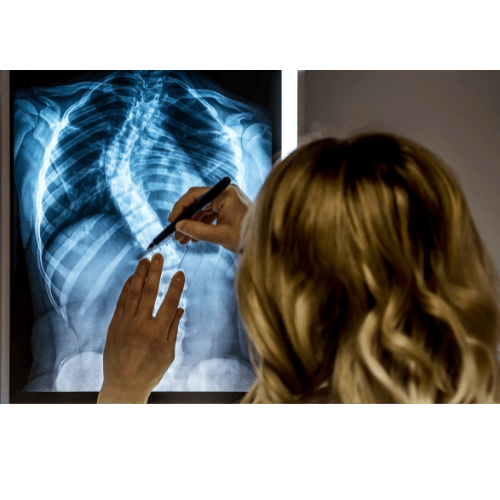
- Genetic Insights: Unraveling the Genetic Tapestry of Scoliosis:
Recent studies, such as the research published in the Journal of Medical Genetics, have delved into the genetic underpinnings of scoliosis. The identification of specific genetic markers, as highlighted in papers like “Genome-Wide Association Study Identifies 20 Susceptibility Loci for Scoliosis,” is paving the way for precision medicine, allowing tailored treatments based on individual genetic profiles.
- Biomechanical Research for Precision Treatment:
Scientific journals like the Spine Journal have been instrumental in disseminating research on the biomechanics of scoliosis. Papers such as “Biomechanics of Adolescent Idiopathic Scoliosis: A Review” contribute to our understanding of how spinal deformities progress, providing valuable insights for refining treatment strategies and developing more targeted interventions.
- 3D Printing in Orthotics and Bracing:
The application of 3D printing technology in scoliosis treatment has been extensively explored in research publications. Papers like “Customized 3D-Printed Braces for Scoliosis Treatment: A Clinical Review” delve into the technical aspects and clinical outcomes of using 3D-printed orthotic devices, offering a scientific perspective on the advancements in brace design and manufacturing.
- Non-Surgical Interventions:
Scientific journals, including the European Spine Journal, regularly feature research on non-surgical interventions for scoliosis. Studies such as “Effectiveness of Exercise-Based Rehabilitation in Adolescent Idiopathic Scoliosis” provide evidence-based insights into the efficacy of specialized exercises and physical therapy, shaping our understanding of non-surgical approaches.
- Neuromodulation for Pain Management:
Research papers in pain medicine journals, such as Pain Practice, have explored neuromodulation techniques for managing scoliosis-related pain. Scientific inquiries like “Neuromodulation for the Management of Scoliosis Pain: A Systematic Review” offer a critical evaluation of the effectiveness and potential applications of neuromodulation in alleviating discomfort associated with scoliosis.
- Biologics and Regenerative Therapies:
Scientific literature, such as articles in the Journal of Orthopaedic Research, delves into the potential of biologics and regenerative therapies for scoliosis treatment. Papers like “Biologics in Spine Deformity: A Review of Current Evidence” provide a comprehensive overview of how stem cells and growth factors can be harnessed for tissue repair in the context of scoliosis.
The latest scientific research and advancements in scoliosis treatment, as showcased in peer-reviewed journals and research papers, underscore the dynamic nature of the field. From genetic insights to biomechanical revelations and innovative interventions, these studies contribute to a promising future where individuals with scoliosis may benefit from increasingly tailored, effective, and patient-centric treatments. As we eagerly anticipate further breakthroughs, the scientific community plays a pivotal role in advancing the understanding and management of scoliosis.
 Alternative Scoliosis Treatments
Leave a comment