
Device that uses electric current to activate nerves
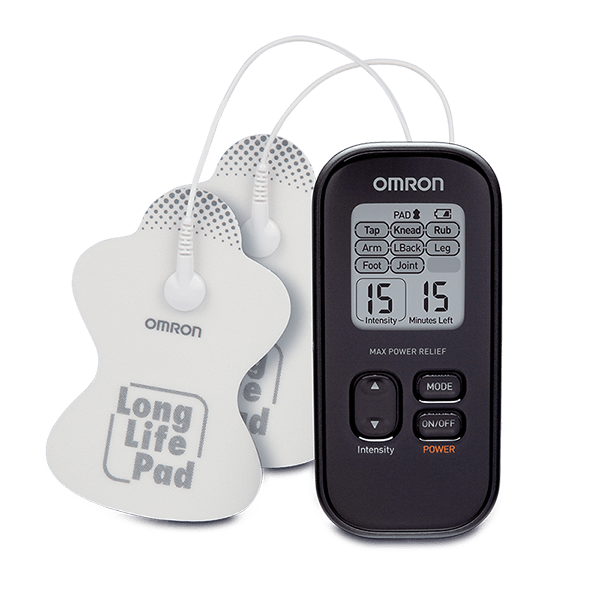
Image Source: omronhealthcare.com
What is a TENS Unit?
A TENS unit, which stands for Transcutaneous Electrical Nerve Stimulation, is a device used for pain management. It delivers a low-voltage electrical current through electrodes placed on the skin, primarily in the area where a person is experiencing pain. The objective is to alleviate pain by interfering with or modulating the perception of pain signals before they reach the brain.
Key features and components of a TENS unit include:
- Electrodes: Small adhesive pads with conductive gel that adhere to the skin. These electrodes are connected to the TENS unit by wires.
- Wires: Conductive wires that connect the electrodes to the TENS unit.
- TENS Unit: The main device that generates and controls the electrical impulses. It typically has settings for adjusting the intensity, frequency, and duration of the electrical stimulation.
- Battery: The TENS unit is usually powered by a battery, making it portable and easy to use.
How do TENS Units works?
- The TENS unit sends a mild electrical current through the electrodes to the skin, creating a tingling or massaging sensation.
- The electrical impulses may help reduce the sensation of pain by stimulating the nerves and interfering with pain signals as they travel to the brain.
- TENS is often used for various types of pain, including chronic and acute pain, and may be used as part of a broader pain management strategy.
Is there an age restriction for the TENS Unit?
TENS units are generally safe for use by individuals of various ages, including adults and older adolescents. However, it’s crucial to follow specific guidelines and recommendations to ensure safe and effective use. Here are some considerations regarding age and the use of TENS units:
- Pediatric Use: TENS units are not typically recommended for use in very young children or infants without specific guidance from a healthcare professional. The use of TENS in pediatric populations would require careful consideration of the child’s condition and the appropriateness of this form of pain management.
- Adolescents: TENS units may be used in older adolescents under the guidance of a healthcare professional. However, the decision to use a TENS unit should be based on an assessment of the individual’s specific condition and needs.
- Adults and Elderly: TENS units are commonly used in adults and elderly individuals for various types of pain management. They are generally considered safe when used as directed.
- Pregnancy: While TENS units are often considered safe for use during pregnancy, it’s important for pregnant individuals to consult with their healthcare provider before using a TENS unit, especially in the abdominal or pelvic region.
Does it work for Scoliosis?
While Transcutaneous Electrical Nerve Stimulation (TENS) units are commonly used for pain management, they are not a primary treatment for correcting the structural issues associated with scoliosis. Scoliosis is a complex condition characterized by an abnormal curvature of the spine, and its management typically involves a multidisciplinary approach.
TENS units may be used as part of a broader pain management strategy for individuals with scoliosis, especially to alleviate discomfort and muscle tension associated with the condition. However, TENS does not address the underlying structural aspects of scoliosis, such as the curvature of the spine.
How long do I need to use the TENS Unit?
The duration for which a person needs to use a TENS (Transcutaneous Electrical Nerve Stimulation) unit can vary based on individual circumstances, the nature of the condition being treated, and the recommendations of a healthcare professional. TENS is often used for short-term pain relief, but the specific usage can depend on factors such as the severity of the pain, the underlying condition, and the response to treatment.
Here are some general considerations:
- Acute Pain Episodes: TENS is often used for acute pain episodes, such as those associated with injuries or postoperative pain. In these cases, TENS may be used for short durations, ranging from several minutes to hours per session, as needed for pain relief.
- Chronic Pain Management: For chronic pain conditions, individuals may use TENS on a regular basis, but the specific duration and frequency can vary. Some individuals use TENS daily for short sessions, while others may use it as needed for flare-ups of pain.
- Under Healthcare Guidance: It’s crucial to use a TENS unit under the guidance of a healthcare professional who can provide specific recommendations based on the individual’s condition. The healthcare provider may suggest the optimal duration and frequency of TENS sessions for the best results.
- Trial and Adjustment: In many cases, individuals may undergo a trial period with a TENS unit to assess its effectiveness. Based on the response and symptom relief, adjustments may be made to the duration and frequency of use.
- Compliance: Consistency and compliance with the recommended usage are essential for obtaining the maximum benefit from TENS therapy. Following the healthcare provider’s instructions and guidelines is key.
How long has the TENS Unit been available?
The concept of electrical stimulation for pain relief has been around for a long time, but the modern development and availability of TENS (Transcutaneous Electrical Nerve Stimulation) units for home use began in the 1970s. The technology has evolved since then, with improvements in device design, portability, and user-friendliness.
The use of electrical currents for pain management dates back further, with early experiments in electrotherapy and neuromodulation in the 19th and early 20th centuries. However, it was in the latter part of the 20th century that TENS units became more widely accessible for individuals to use at home.
Over the years, TENS technology has been studied and refined, and TENS units have become a common component of pain management strategies for various conditions, including musculoskeletal pain, neuropathic pain, and certain types of chronic pain.
Where can I buy a TENS Unit?
TENS units are widely available and can be purchased from various sources. Here are several options for purchasing a TENS unit:
- Medical Supply Stores: Many medical supply stores and specialty healthcare retailers carry TENS units. These stores may offer a selection of different models and brands.
- Pharmacies: Local pharmacies often carry health and wellness products, including TENS units. You can check with your neighborhood pharmacy or a larger chain pharmacy for availability.
- Online Retailers: Numerous online retailers offer a wide range of TENS units. Websites such as Amazon, eBay, and other health-focused online stores provide a variety of options. Ensure that you read product reviews and choose a reputable seller.
- Healthcare Providers: Some healthcare providers or physical therapists may sell or recommend TENS units as part of a pain management plan. If your healthcare provider prescribes or suggests using a TENS unit, they may offer guidance on where to obtain one.
- Medical Equipment Suppliers: Companies specializing in medical equipment and supplies may have TENS units available for purchase. You can check with local or online medical equipment suppliers.
Resources:
 Alternative Scoliosis Treatments
Leave a comment