
Specialized form of physical therapy designed for scoliosis
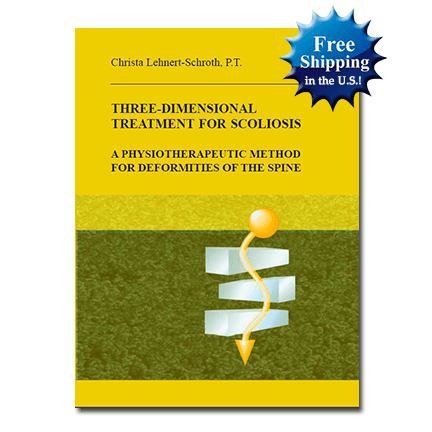
Image Source: schrothmethod.com
What is Schroth Method?
The Schroth Method is a conservative, exercise-based approach designed to manage and treat scoliosis. Developed by Katharina Schroth in the early 20th century, this method focuses on specific exercises and postural adjustments aimed at correcting spinal curvature, improving posture, and enhancing overall muscle balance.
Key elements of the Schroth Method include:
- Three-Dimensional Approach:
- The Schroth Method recognizes scoliosis as a three-dimensional deformity, addressing not only the lateral curve but also the rotation and flexion components of the spine. Exercises are tailored to the individual’s specific curve pattern.
- Breathing Exercises:
- Emphasis is placed on incorporating breathing techniques into the exercises. Deep, rotational breathing is used to influence the movement of the ribcage and facilitate improved spinal alignment.
- Postural Awareness:
- Individuals are taught to become aware of their posture and to make conscious efforts to correct it throughout daily activities. This includes learning to elongate the spine and shift weight appropriately to minimize the impact of scoliosis.
- Customized Exercise Programs:
- Exercise programs are customized based on the type and severity of the scoliosis. The goal is to restore muscular balance, improve spinal alignment, and enhance core strength.
- Mirror Feedback:
- The use of mirrors during exercises allows individuals to visually assess and correct their posture in real-time, fostering a greater awareness of their body’s alignment.
- Team Approach:
- In many cases, the Schroth Method involves a team approach that includes a specially trained physical therapist guiding the exercises, as well as active involvement from the individual and their family in the home exercise program.
The Schroth Method is often used as part of a multidisciplinary approach to scoliosis management, which may include consultations with orthopedic specialists, physical therapists, and other healthcare professionals. While the method has gained popularity and shown promising results in improving postural control and reducing scoliotic curvature, individual responses may vary. It is crucial for individuals with scoliosis to work with healthcare professionals to determine the most suitable treatment plan based on their specific condition and needs.
Is there an age restriction for the Schroth Method?
The Schroth Method is generally suitable for individuals of various ages, and it can be adapted to address scoliosis in both children and adults. The approach may be modified based on the age, overall health, and specific characteristics of the scoliosis.
- Pediatric Scoliosis:
- In children and adolescents, the Schroth Method is often introduced as part of a comprehensive scoliosis management plan. It is particularly valuable during the growth phase when interventions can potentially influence the progression of scoliosis.
- Adult Scoliosis:
- Adults with scoliosis can also benefit from the Schroth Method. While it may not lead to a complete correction of the curvature, it can contribute to improved posture, reduced pain, and enhanced quality of life by addressing muscle imbalances and promoting spinal alignment.
Does it work for Scoliosis?
The effectiveness of the Schroth Method in treating scoliosis can vary from person to person. Several studies and anecdotal evidence suggest that the Schroth Method may have positive outcomes in terms of improving posture, reducing pain, and potentially influencing the progression of scoliosis, especially in adolescents during their growth phase.
Key points regarding the effectiveness of the Schroth Method include:
- Individual Variability: Results can vary depending on the individual’s age, the severity of the scoliosis, compliance with the exercise program, and overall health.
- Early Intervention: The Schroth Method is often considered more effective when introduced early, especially during the adolescent growth phase when the spine is more responsive to interventions.
- Symptomatic Improvement: Many individuals report symptomatic improvement, such as reduced pain and enhanced quality of life, even if the method does not lead to a complete correction of the spinal curvature.
- Multidisciplinary Approach: The Schroth Method is often used as part of a comprehensive, multidisciplinary approach to scoliosis management, which may include medical supervision, bracing, and other therapeutic interventions.
- Regular Practice: Like any exercise-based therapy, consistent and regular practice of the Schroth exercises is essential for potential benefits. The method typically involves a home exercise program in addition to sessions with a trained physical therapist.
How many sessions of the Schroth Method do I need?
The number of sessions needed for the Schroth Method can vary widely based on several factors, including the severity of your scoliosis, your age, your overall health, and how consistently you practice the exercises at home. Typically, the Schroth Method involves a series of sessions with a trained physical therapist, along with a home exercise program.
Here are some general considerations:
- Initial Evaluation:
- The process often begins with an initial evaluation by a physical therapist specializing in the Schroth Method. This evaluation helps determine the specific characteristics of your scoliosis and tailor the exercises to your needs.
- Frequency of Sessions:
- Initially, you may have sessions more frequently, such as two to three times per week. As you progress and become more familiar with the exercises, the frequency of sessions may decrease.
- Home Exercise Program:
- A crucial component of the Schroth Method is the incorporation of exercises into your daily routine. Your physical therapist will likely provide you with a customized home exercise program to continue the exercises independently.
- Duration of Treatment:
- The duration of Schroth Method treatment can vary. Some individuals may see improvements in a relatively short period, while others may require ongoing sessions over a more extended period.
- Follow-Up Sessions:
- Follow-up sessions may be recommended to assess progress, make adjustments to the exercise program, and ensure that you are maintaining proper form.
How long has the Schroth Method been available?
The Schroth Method has been around for nearly a century. It was developed by Katharina Schroth, a German physical therapist, in the early 20th century. Katharina Schroth started developing the method in the 1920s to address her own scoliosis. Over time, she refined and expanded the method, and it gained recognition for its focus on three-dimensional scoliosis treatment.
Since its inception, the Schroth Method has undergone further development and has been adapted by various practitioners. It has become one of the prominent conservative approaches to managing scoliosis. While it may not be a cure for scoliosis, many individuals have reported benefits in terms of improved posture, reduced pain, and better overall quality of life through the consistent practice of the Schroth exercises.
The method has evolved, and contemporary practitioners, including physical therapists and clinicians, continue to apply and refine the Schroth Method based on current knowledge and research. It is now practiced in various countries as part of a multidisciplinary approach to scoliosis management.
Where can I access a Schroth Method Therapist?
Resources:
 Alternative Scoliosis Treatments
Leave a comment